


Museum Overview
From the vast limestone plateaus to the Cévennes valleys, take the time to explore a landscape shaped by livestock farming and human activity. Discover drovers' trails, dry stone walls, cultivated terraces, and traditional Causses farms.
The Causses and Cévennes regions present, in a magnificent natural setting, a diversity of landscapes, combined works of nature and man…
Limestone plateaus of the Causses, carved by gorges or valleys; sharp ridges and deep valleys of the schistous Cévennes; high granite peaks of Mont Lozère and Mont Aigoual: a diversity of landscapes that should not obscure the fact that they belong to the same whole. They owe their unity to a culture patiently developed over millennia: the Mediterranean agro-pastoral culture.
The shaping of landscapes is the result of a history spanning millennia.
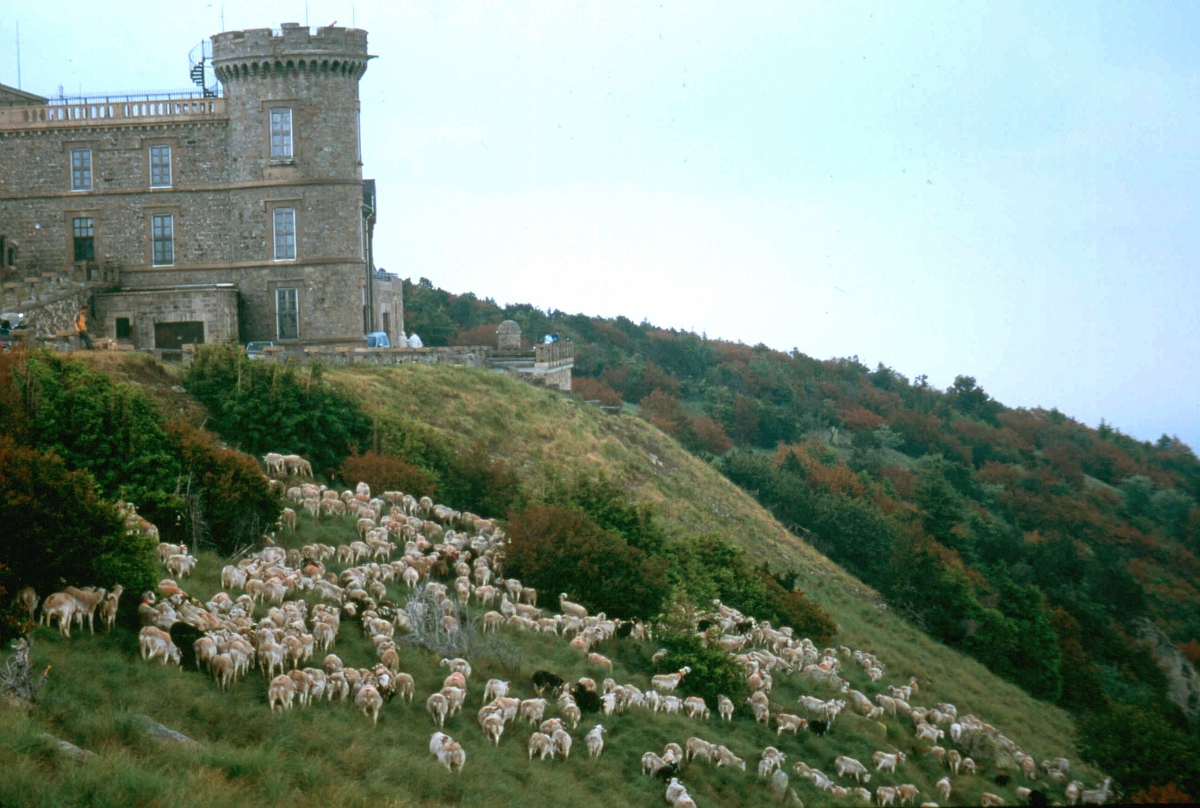
Living landscapes: The Causses and the Cévennes have benefited from agro-pastoral practices that continue to this day. The preservation, across vast areas, of well-maintained landscapes belonging to a shared Euro-Mediterranean landscape, further enhances the value of the territory, a living repository of traditional mid-mountain farming methods. Even today, the drovers' roads mark these transhumance lands and serve as links between the Causses and the Cévennes.
A remarkable and protected heritage: The Causses and Cévennes regions boast a rich and remarkable landscape, natural and cultural heritage. The monumental and more modest architectural heritage linked to agro-pastoralism receives special attention from local stakeholders who work to protect and enhance it.
How to discover the Causses and the Cévennes?
Begin at the Blandas viewpoints, which offer three scenic vantage points overlooking the Cirque de Navacelles. The Maison du Grand Site (Great Site Visitor Centre) is a good starting point for understanding the landscapes. Continue exploring the Blandas plateau, its megaliths and agricultural heritage, then visit the hamlet of Navacelles and the Foux mills, where the Vis River re-emerges after its underground journey.
Another major stop is Mont Aigoual, renowned for its panoramic views and forested landscapes. At the summit, the Climatographe offers an exploration of climate and climate change. Near Saint-Sauveur-Camprieu, a guided tour of the Bramabiau Abyss allows visitors to follow the underground river of Bonheur and understand the work of water in the limestone. Check the opening times of these two sites before your trip.
